A creative home for Sims 4 builders, storytellers & dreamers.
BUILD • STYLE • CREATE
Color & Style Studio
A curated design playground for Sims builders. Discover color combinations that work beautifully together, explore interior styles, and find inspiration for your next home, manor, cottage, or community lot.
See Color Stories in Actual Rooms
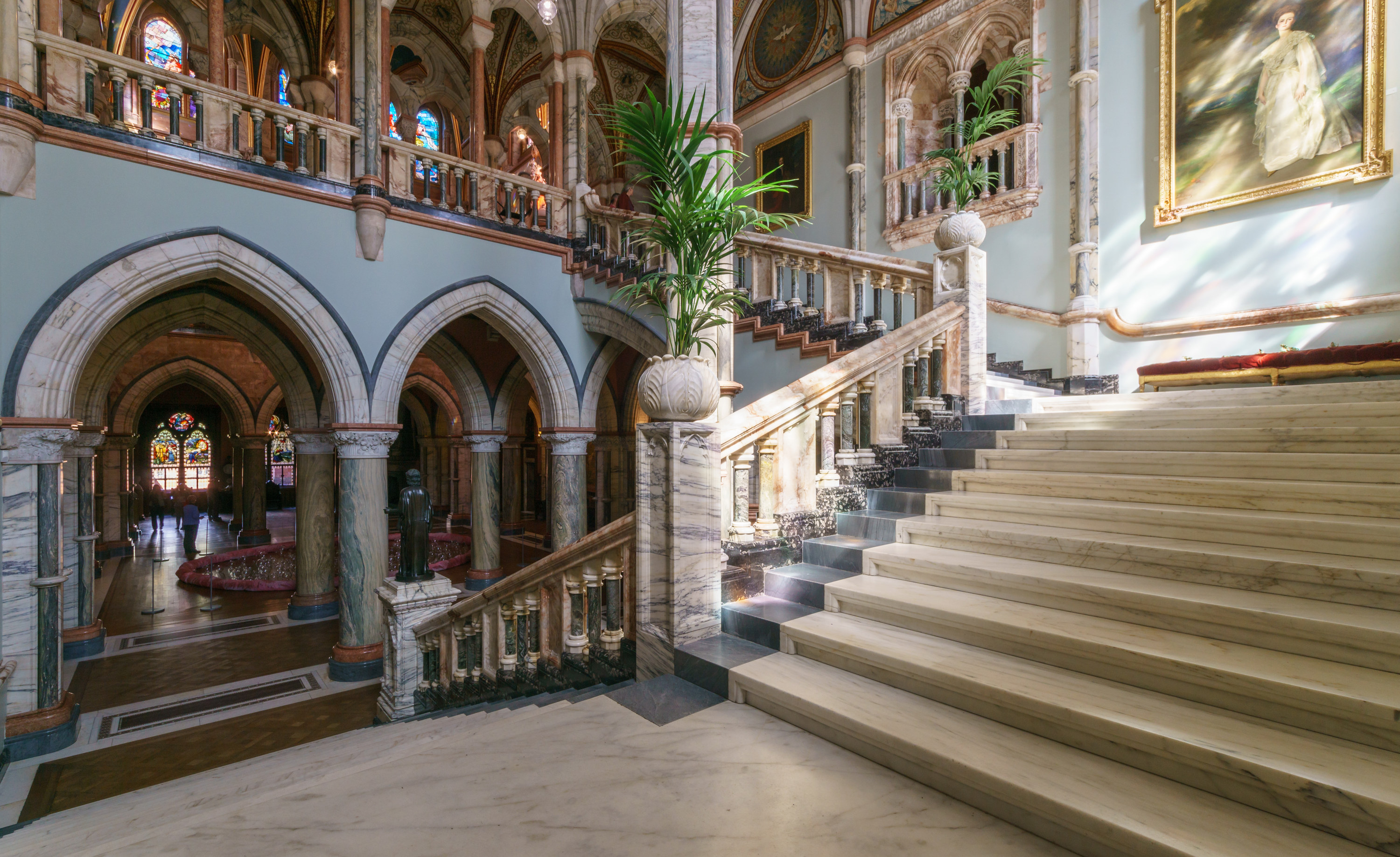
Browse heritage interiors, Linen & Laurel room photographs, and eight coordinated color stories.
Select Preview palette on any collection below. Watch a little room vignette change colors, then click a swatch to copy its HEX code.
CURRENT PALETTE
English Country Manor
Quiet luxury • traditional
Forest greens, warm linen, muted gold, and aged wood create an inviting ancestral estate.
These are suggested digital colors, not exact in-game swatches. Sims 4 materials, packs, and lighting affect how similar combinations appear in Build/Buy Mode.
THE CREATIVE PALETTE COLLECTION
Find Your Perfect Palette
Explore twelve original palette recipes for classic, cozy, modern, and dramatic spaces. All themes can inspire Base Game builds; choose the nearest available materials and swatches.
Showing 12 palettes
Heritage collection
English Country Manor
Quiet luxury • traditional
Forest greens, warm linen, muted gold, and aged wood create an inviting ancestral estate.
Try it in The Sims 4: Panelled study, formal foyer, conservatory, or Briarwood Estate drawing room.
Dramatic collection
Gothic Victorian
Romantic • atmospheric
Charcoal and wine tones come alive with antique brass and weathered stone.
Try it in The Sims 4: Moody library, mysterious manor corridor, or a room with a secret.
Cozy collection
English Cottage Garden
Soft • collected
Sage, dusty rose, buttercream, and warm timber feel charming rather than overly matched.
Try it in The Sims 4: Country kitchen, small greenhouse, guest room, or garden cottage.
Heritage collection
French Country
Airy • timeless
Chalky creams, pale blues, washed greens, and subdued ochre soften elegant rooms.
Try it in The Sims 4: Château bedroom, breakfast room, or elegant farmhouse kitchen.
Heritage collection
Tudor Library
Warm • scholarly
Deep chestnut, leather, aged parchment, and moss make an intimate, historic study.
Try it in The Sims 4: Book-lined study, heritage archive, or candlelit reading corner.
Cozy collection
Coastal Retreat
Breezy • grounded
Muted sea blues, sand, and driftwood tones keep a coastal scheme restful.
Try it in The Sims 4: Seaside cottage, airy living room, or vacation rental.
Modern collection
Mid-Century Warmth
Retro • optimistic
Terracotta, mustard, cream, and teal add rhythm without overwhelming the room.
Try it in The Sims 4: 1950s-inspired lounge, diner, or characterful starter home.
Dramatic collection
Art Deco Evening
Glamorous • geometric
Teal and dark ink punctuated by champagne gold and blush feel polished and cinematic.
Try it in The Sims 4: Jazz lounge, glamorous bathroom, or dramatic apartment lobby.
Modern collection
Modern Minimal
Calm • architectural
Warm greige, ivory, espresso, and slate create contrast through shape and material.
Try it in The Sims 4: Modern family home, gallery, or uncluttered loft.
Modern collection
Scandinavian Serenity
Fresh • functional
Soft leaf green, pale timber, and gentle whites create an easy everyday palette.
Try it in The Sims 4: Practical starter home, nursery, or bright studio apartment.
Cozy collection
Bohemian Garden
Layered • expressive
Sun-baked clay, olive, faded berry, and straw tones mix beautifully with plants.
Try it in The Sims 4: Artist studio, creative retreat, or plant-filled apartment.
Dramatic collection
Dark Academia
Storied • intimate
Ink, parchment, forest green, and worn oxblood evoke old books and inherited furniture.
Try it in The Sims 4: University library, antique shop, or forgotten estate office.
No matching palettes. Try a different search or choose All styles.
COLOR STORY · IN PRACTICE
See a Color Story in a Real Sims Build
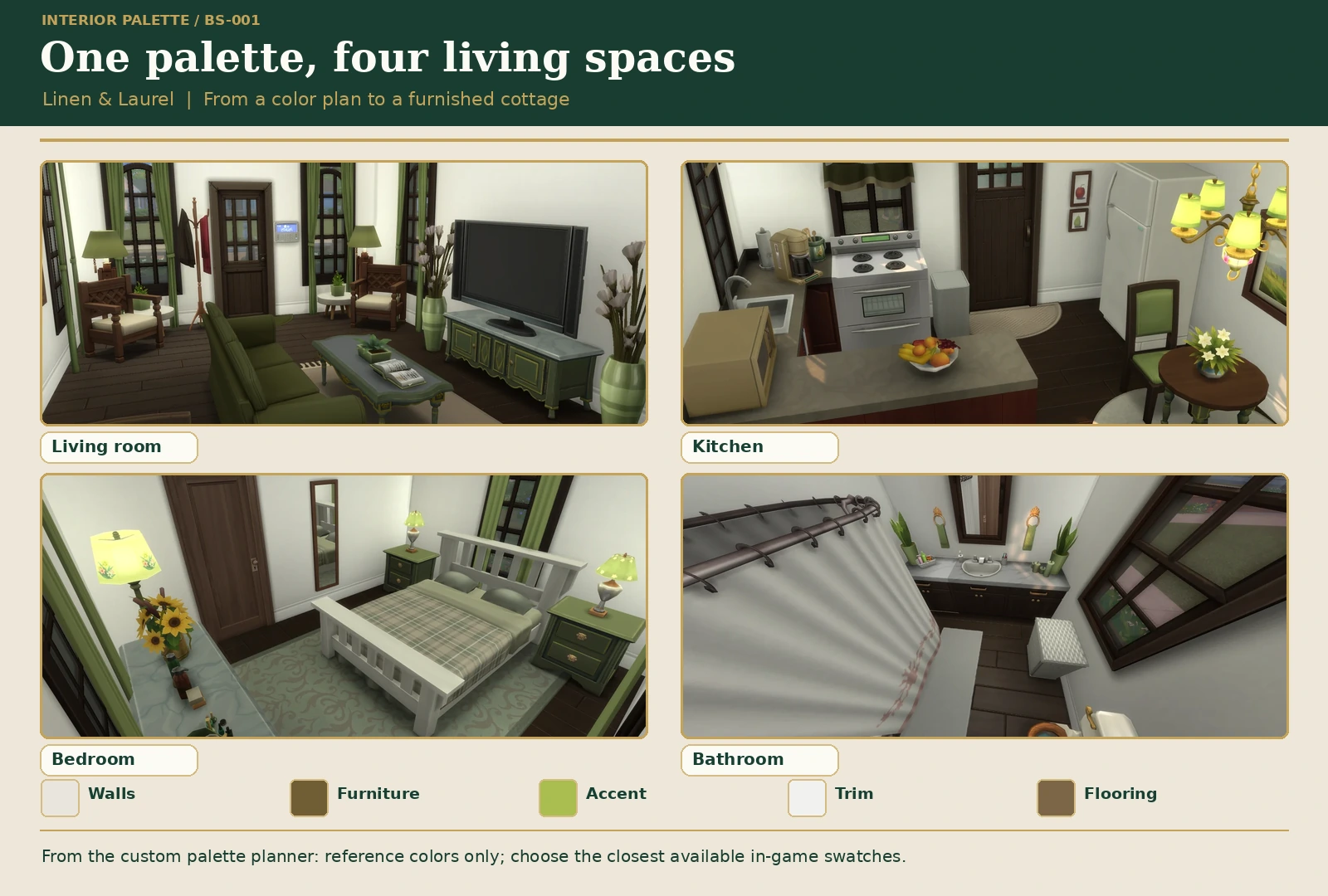
Linen & Laurel shows how muted greens, warm neutrals and wood tones can move from a palette concept into four distinct living spaces.
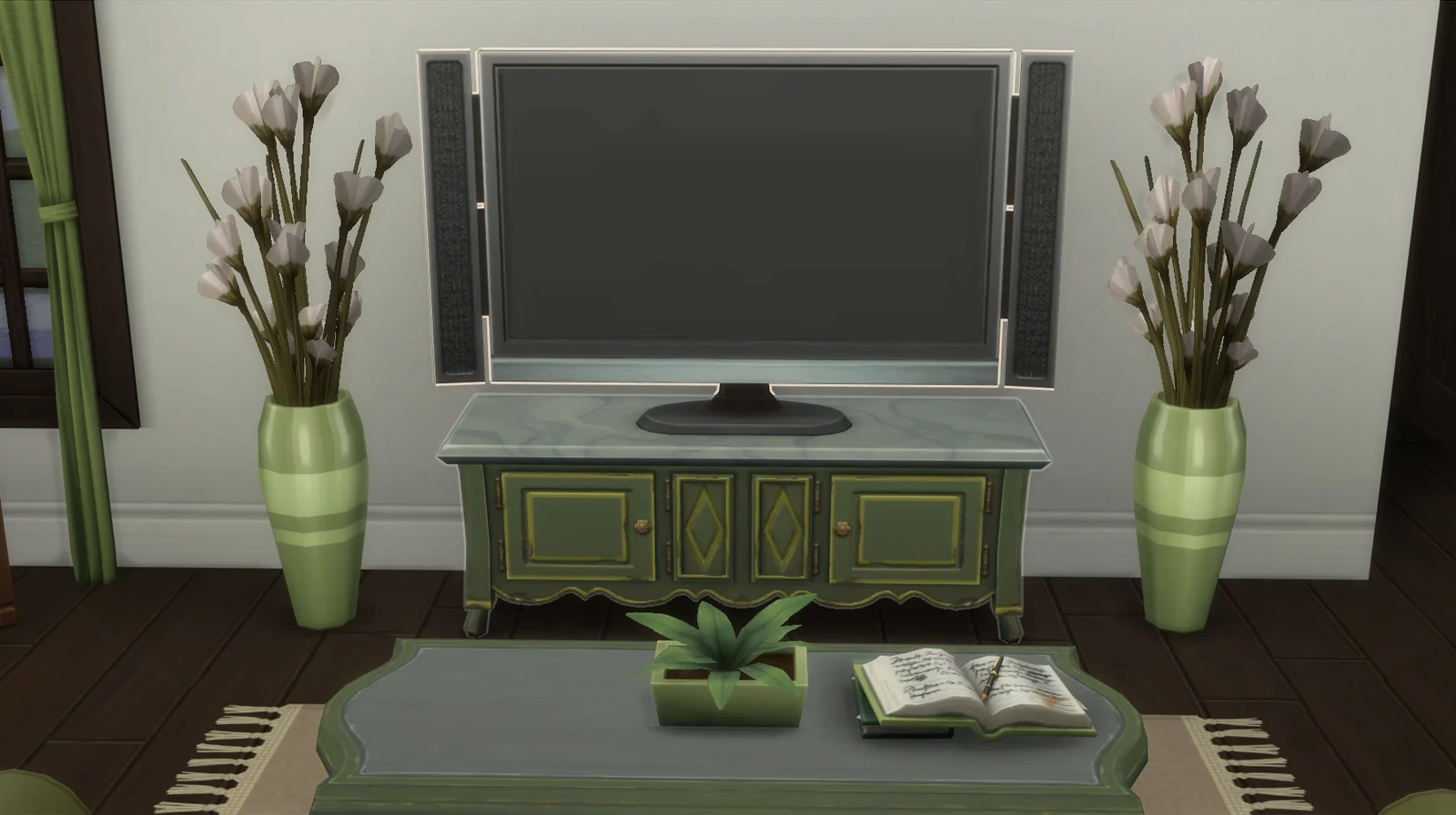
One Palette, Four RoomsSee the planned palette beside screenshots of each completed room.View full screenshotColor in the DetailsRepeating a green accent on furniture and decor helps tie the spaces together.View full screenshot
Design lesson: Treat the swatches as inspiration, then choose the closest colors in your own in-game catalog rather than expecting exact hex-color matches.
LEARN FROM REAL INTERIORS
Four Different Real-World Color Stories
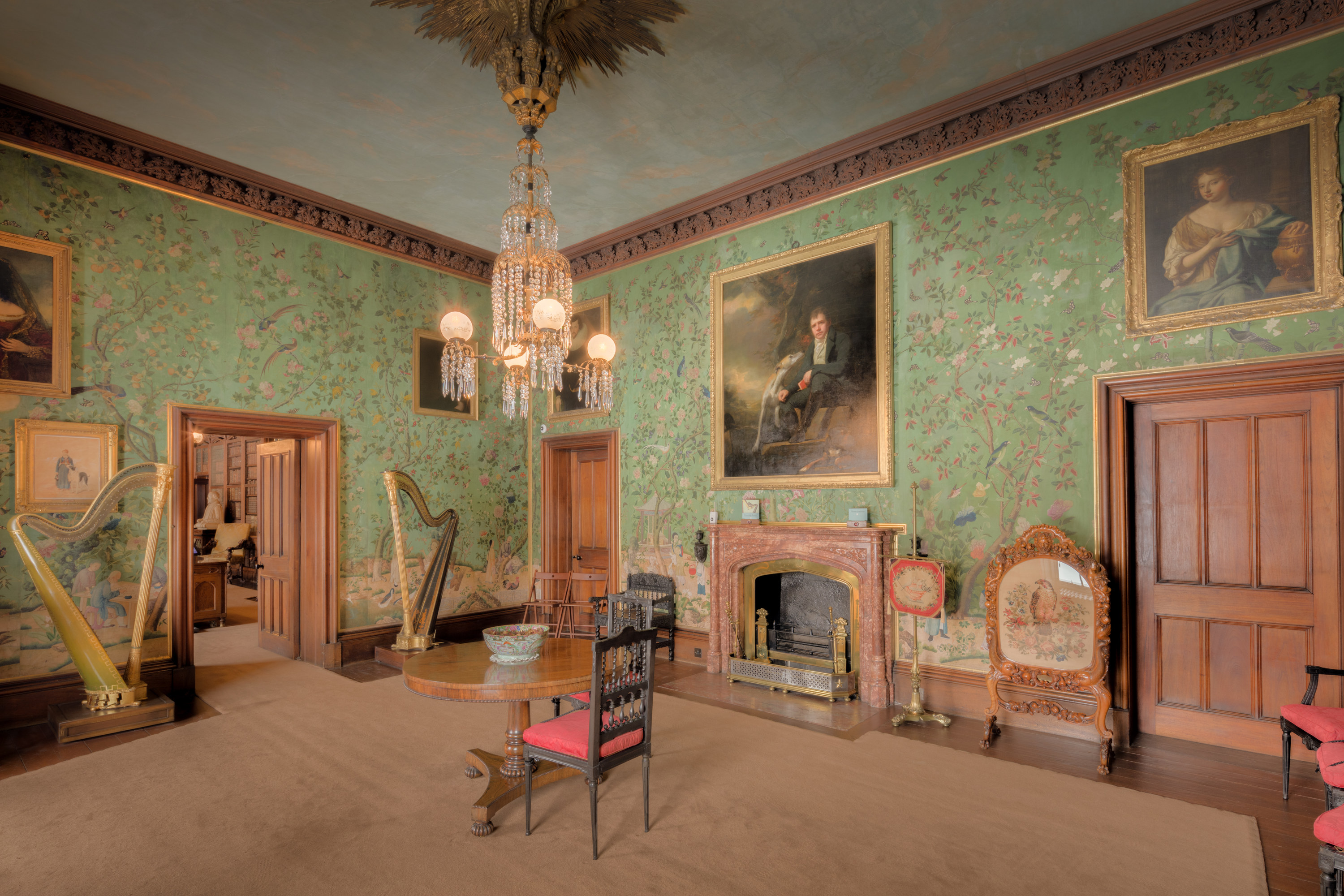
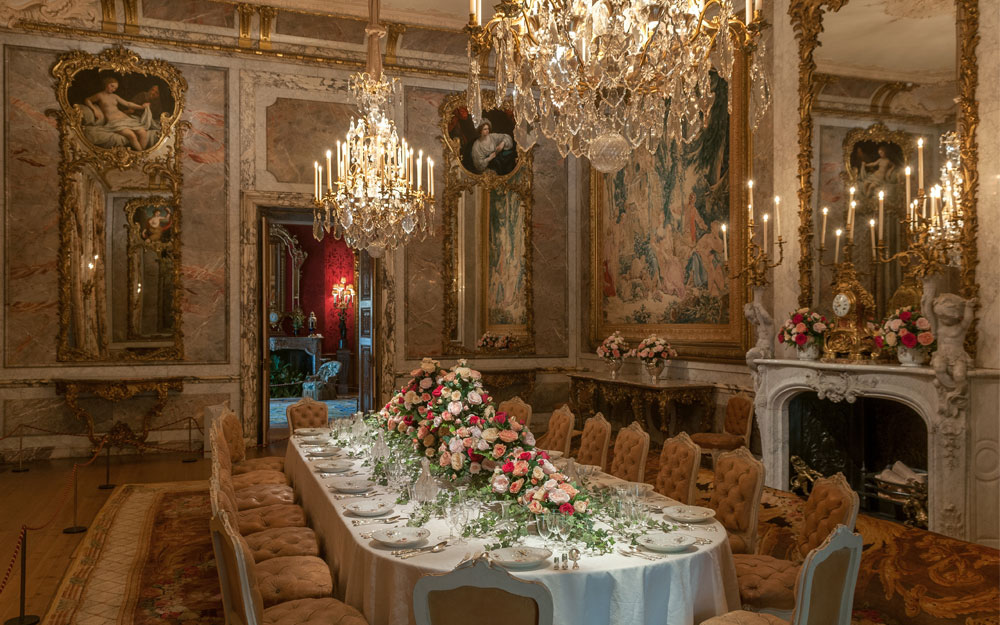
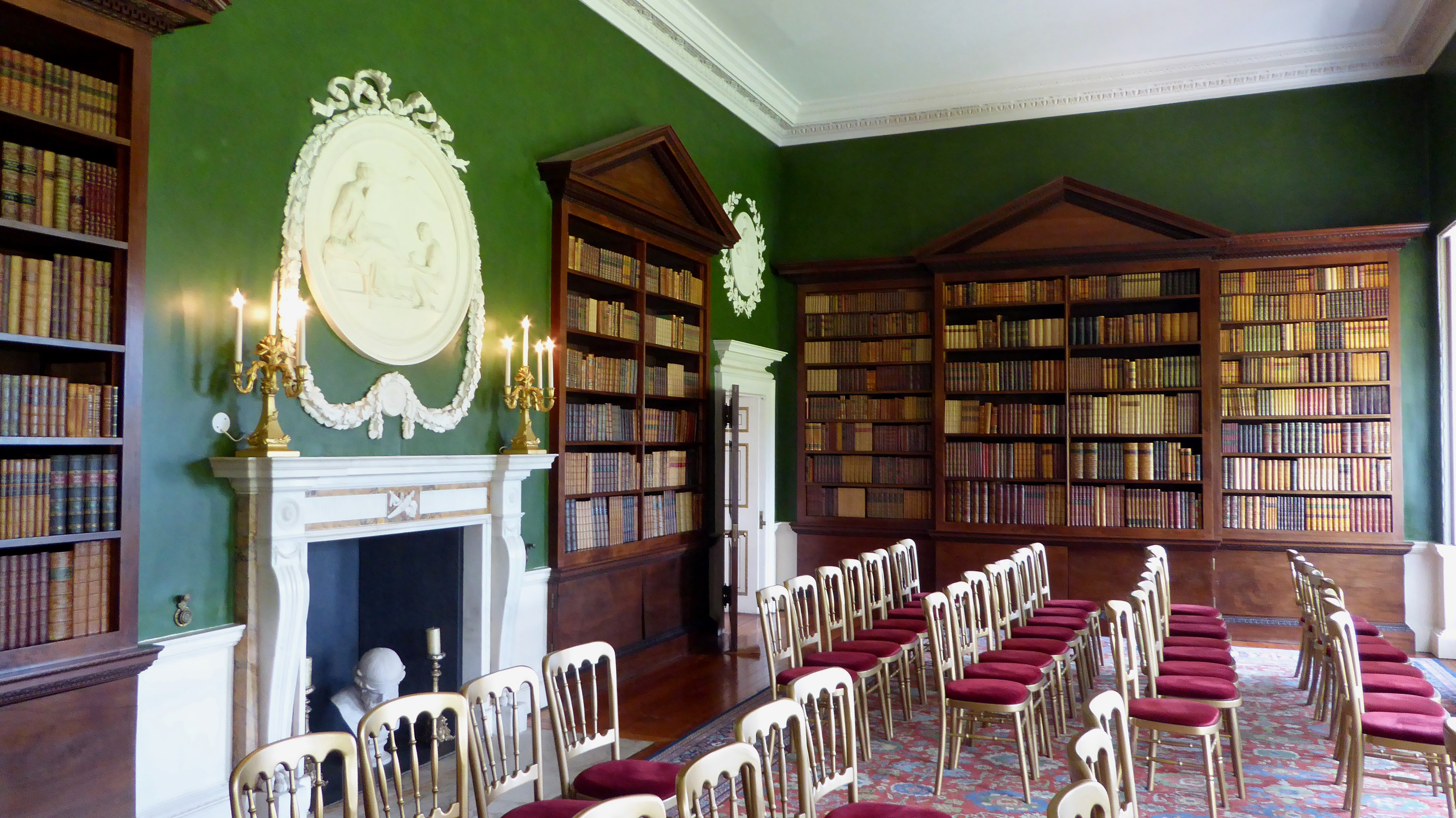
These photographed rooms show how materials, wall colors and lighting work together. They complement the original Linen & Laurel Sims case study without repeating its screenshots. All four photos are included in the website for offline viewing.
Real-world interior color study
Botanical Drawing Room
Notice: Look at botanical wall color with pale furnishings and warm wood.
Base Game idea: Try green walls, a cream sofa and restrained gold details.
Suggested colors are interpretive, not sampled from the photograph. Photo: Michael D Beckwith · CC0 1.0
Real-world interior color study
Formal Gilded Dining
Notice: Compare gilded accents, patterned walls and pale upholstery.
Base Game idea: Pair warm cream with muted gold and one richer accent color.
Start with the Base Game suggestions, then add optional pack furnishings only when available. The palette strips are creative prompts, not exact measured colors.
DESIGN MADE SIMPLE
Which Colors Look Good Together?
Color harmony is a starting point, not a rulebook. These simple techniques help connect walls, floors, textiles, and furniture into a room that feels intentional.
The 60–30–10 idea
Start with one dominant color (about 60%), a supporting color (30%), and a smaller accent (10%). These are flexible guides, not strict measurements.
Analogous harmony
Neighboring hues, like sage, moss, and deep green, make a gentle, cohesive scheme. Use light and dark values to keep it interesting.
Complementary contrast
Opposite hues, like blue and orange, give energy. Mute one shade or use it sparingly to avoid visual overload.
Warm & cool balance
Warm woods and brass can make cool blues or greens feel comfortable. Contrast does not always require a new bright color.
Monochromatic depth
Use several tints and shades of one hue. Texture, pattern, metal, and wood keep a single-color room from feeling flat.
Neutral foundations
Creams, taupes, charcoal, and natural wood let a bold accent have impact. Check wall, flooring, and furniture tones together.
Try this on your next Sims 4 build
Choose the main wall and floor colors first, then select furniture and accent details.
Repeat one accent color in two or three places — cushions, curtains, art, or plants.
Mix light and dark values so the room does not blend into one flat shade.
Check the room in daytime and evening lighting before committing to the whole house.
ROOMS WITH CHARACTER
Explore Design Styles
Not sure what aesthetic to build? Start with a recognizable design direction, then borrow the pieces you like. Click any matching palette to preview its colors above.
Gothic & Victorian
Deep paint, ornate wood, layered drapery, stained glass inspiration, and dramatic lighting.
English Cottage
Natural textiles, soft greens, antique-looking furnishings, and generous garden planting.
French Country
Aged timber, pale stone, curved furniture, and muted blue-green details.
Art Deco
Symmetry, bold geometry, brass-tone details, dark jewel hues, and statement lighting.
Start with shapes, layout, wall treatments, materials, and colors. These principles work even without special packs. Optional packs may provide more period-specific furniture, patterns, windows, or plants, but are not required to use this studio.